| Trademark | |||||||||||||||||||||||
| I. | Taiwan Trademark Update: Proposed Amendments to Trademark Official Fee Schedule | ||||||||||||||||||||||
| The Taiwan Intellectual Property Office (TIPO) has announced proposed amendments to Article 2 of the “Trademark Fee Standards”. The draft amendments were published by the Ministry of Economic Affairs (MOEA) on June 4, 2026, and are currently open for public comment. The proposed changes primarily affect the calculation of official filing fees for service mark applications in Classes 35–45. For Class 35, in addition to the current surcharge of NT$500 for each retail service item in excess of five designated retail service items, the draft further proposes that additional fees be charged when the total number of designated services exceeds 20 items. Classes 36–45 would adopt a fee structure similar to that currently applied to goods classes (Classes 1–34), whereby additional fees will be charged when the number of designated services exceeds 20 items. That is, NT$200 for each additional item beyond 20 in each class. The proposed amendments appear intended to harmonize the fee structure between goods and service classes and to encourage applicants to designate services more precisely. If implemented, applicants with extensive service specifications should expect higher official fees, while applications covering 20 or fewer service items will generally remain unaffected. We will continue to monitor the progress of the amendments and provide updates once the final version and effective date are announced. |
|||||||||||||||||||||||
| II. | Shifting Perspectives on "Trademark Parody" through the Jack Daniel's Case—What is Trademark Parody? | ||||||||||||||||||||||
| Parody is often viewed as a highly viral tool in brand marketing. By subverting well-known brand imagery, creators can easily capture immense commercial attention. On one hand, the subject of the parody is typically a famous, high-profile brand, allowing creators to piggyback on the brand's established reputation. On the other hand, creators can take the moral high ground by asserting that their work serves as "a critique of capitalism" or "a reflection on consumerism." However, a fine line and significant gray area often separate this kind of "humor" from trademark infringement. Parody does not actually originate as a defense under trademark law; rather, it stems from the First Amendment–freedom of speech. In past judicial practice, parody was treated as a form of "artistic expression." To qualify, it had to simultaneously conjure up the image of a well-known brand while clearly communicating that it was not that brand, but rather a commentary, satire, or mockery of it. Courts frequently applied the "Rogers test": as long as the use carried artistic relevance and was not explicitly misleading, courts would generally prioritize the protection of free speech over trademark rights. |
|||||||||||||||||||||||
| 1. | Once a Haven for Creativity: Classic Landmark Successes | ||||||||||||||||||||||
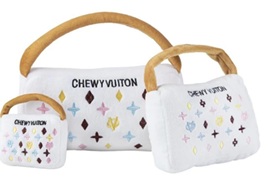
| Over the past two decades, several brand parodies successfully escaped liability in court. The most famous example is Louis Vuitton Malletier, S.A. v. Haute Diggity Dog, LLC (4th Cir. 2007). In this case, the defendant produced a line of dog chew toys named "Chewy Vuiton," mimicking Louis Vuitton’s iconic monogram and handbag shapes. The Fourth Circuit ruled in favor of the defendant, holding that the dog toys were a successful parody. Because consumers could instantly recognize the joke and were highly unlikely to believe that a luxury fashion house like Louis Vuitton had expanded into pet chew toys, there was no likelihood of confusion, nor did it dilute the luxury brand's distinctiveness. | |||||||||||||||||||||||
 |
|||||||||||||||||||||||
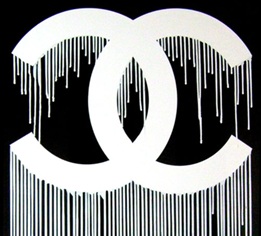
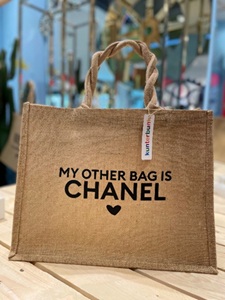
| The artist Zevs is widely renowned for his "Liquidated Logos" series, featuring iconic works such as "Dripping Chanel." Similarly, the "My other bag is..." canvas tote series represents another classic example of trademark parody. It conveys a humorous message: "Hey, even though I'm carrying an ordinary bag right now, my other bag is a Chanel—I just didn't bring it out today." Courts have categorized these works as "artistic commentary." Under legal reasoning, such designs provoke reflection on "brand fetishism" and carry high expressive value, making them far more likely to receive protection under freedom of speech. | |||||||||||||||||||||||
|
|||||||||||||||||||||||
| 2. | The Turning Point of the Century: The Scent of Dog Poop That Shook the U.S. Supreme Court | ||||||||||||||||||||||
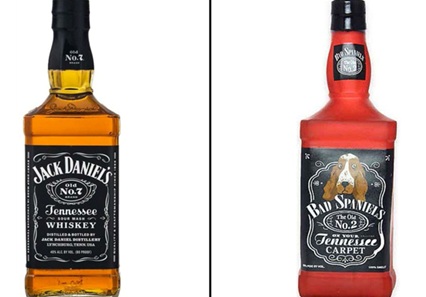
| However, this creative safe harbor faced a major overhaul in 2023. The U.S. Supreme Court delivered a heavy blow to commercial parodies in Jack Daniel’s Properties, Inc. v. VIP Products LLC (2023). The dispute arose when VIP Products, a dog toy manufacturer, released a squeaky silicone dog toy called "Bad Spaniels." The product's design was an obvious parody of the classic Jack Daniel’s whiskey bottle. Let us look at how precisely the defendant "mimicked" the original design: |
|||||||||||||||||||||||
 |
|||||||||||||||||||||||
|
|||||||||||||||||||||||
| Jack Daniel’s filed suit, asserting that the toy infringed and diluted its trademark rights. The defendant confidently countered with the traditional defense, arguing that the toy was a humorous parody protected as artistic expression under the First Amendment, and thus the Rogers test should apply to shield them from liability. The U.S. Supreme Court ultimately ruled that if a defendant uses a parodied mark as a "trademark" to identify the source of its own products, the Rogers test does not apply. The Court emphasized that while you can make fun of a brand, you cannot use the "joke" itself as a brand to generate commercial profit. A creator cannot hitch a ride on another brand’s fame to sell goods while simultaneously demanding immunity on the grounds of "joking"; such conduct constitutes free-riding. Once "trademark use" is involved, regardless of any parodic elements, the case must undergo traditional trademark infringement analysis—meaning a return to the "likelihood of confusion" standard: "Would consumers mistakenly believe that this product is manufactured, authorized, or sponsored by the original brand?" This ruling significantly narrows the space for commercial products to claim immunity under the guise of "humor." |
|||||||||||||||||||||||
| 3. | Impact on the Perspectives of Taiwanese Courts | ||||||||||||||||||||||
| Taiwan’s Intellectual Property and Commercial Court has historically maintained an exceptionally stringent stance on "trademark parody." In the Intellectual Property Court 100 (2011) Xingshangsu No. 104 Administrative Judgment, the court pointed out that Taiwan’s trademark system adheres to a first-to-file principle, whereas the United States adopts a first-to-use system. Given the fundamental structural differences between the two legal frameworks, the court held that cases where parody defenses succeeded in the U.S. generally cannot be cited as favorable evidence for defendants in Taiwanese litigation. Furthermore, the Intellectual Property Court 103 (2014) Xingzhishangyi No. 63 Criminal Judgment stated: “Although the defendant argued that consumers would smile knowingly upon seeing the 'peeling-paint solid padlock' design and instantly recognize it as a parody—reasoning that a world-renowned luxury brand would never feature peeling paint—such design, even if deemed to carry a 'humorous and entertaining nature,' fails to convey a clear message… We see no cultural contribution or social value that would necessitate sacrificing trademark protection in favor of this design; rather, it constitutes an act of commercial free-riding. Therefore, the defendant’s argument is untenable." Similarly, the Intellectual Property Court 108 (2019) Minshangshang No. 5 Civil Judgment observed: "Satire or jokes are intimately intertwined with a nation’s language, culture, social background, life experiences, and history. Even if locals understand the literal meaning of a joke common among foreigners, they may not necessarily grasp its underlying humor. Moreover, the humor embedded in a parody or joke sometimes requires listeners to engage in a process of inference and reflection to catch the punchline. Conversely, whether a trademark pattern creates a likelihood of confusion among relevant consumers is often determined by their instantaneous, gut reaction upon seeing the mark, without the need for extensive reasoning. Although the U.S. court in the My Other Bag case held that the 'My Other Bag' canvas tote established a fair use defense for trademark parody, the culture and societal norms of Taiwan differ from those of the United States. Taiwanese consumers cannot readily appreciate the punchline of the 'My Other Bag' joke in the same manner as American consumers do..." |
|||||||||||||||||||||||
| In short, the stance of Taiwanese courts can be summarized as follows: | |||||||||||||||||||||||
| (1) | High Expressive Threshold: The parodic message must possess a high degree of artistic merit, cultural contribution, or social value to justify sacrificing the protections afforded to a trademark owner. | ||||||||||||||||||||||
| (2) | Instant Reaction vs. Cognitive Processing: If a parody requires consumers to undergo a process of reflection and inference to understand the joke, whereas the trademark's potential to cause confusion operates on an instantaneous, immediate perception, priority must be given to protecting the trademark. | ||||||||||||||||||||||
| Based on this judicial reasoning, mere "spoofs" or commercial pranks generally fail to exempt a defendant from liability for trademark infringement. Moreover, the Taiwanese judiciary's categorization of selling parodied goods as "commercial free-riding" aligns perfectly with the rationale articulated by the U.S. Supreme Court in the Jack Daniel’s case. Therefore, following the Jack Daniel’s decision, it can be confidently asserted that the trademark parody defense has virtually no room for survival in Taiwanese trademark infringement litigation. | |||||||||||||||||||||||